Featured
Table of Contents
This case research study shows how cohesive UX modifications across a site develop intensifying results. By improving page structure, item discussion, and the general user flow, the brand accomplished a 40% increase in conversion rate and a 25% jump in new consumers, even while doubling their advertisement invest.
What Makes Effective UX Projects?Bokksu, a Japanese treat subscription market, wished to increase the value of each customer interaction. Oddit's audit recognized ways to enhance item discovery, cross-selling opportunities, and the overall surfing experience. The changes resulted in a 36% boost in earnings per client and a 40% boost in conversion rate. For market and subscription brand names, this case research study shows how UX improvements can drive both acquisition and lifetime value all at once.
The most motivating UX case research study examples don't just highlight good design. Here are the more comprehensive takeaways behind the success of these examples: Design that puts users first provides more user-friendly and significant experiences.
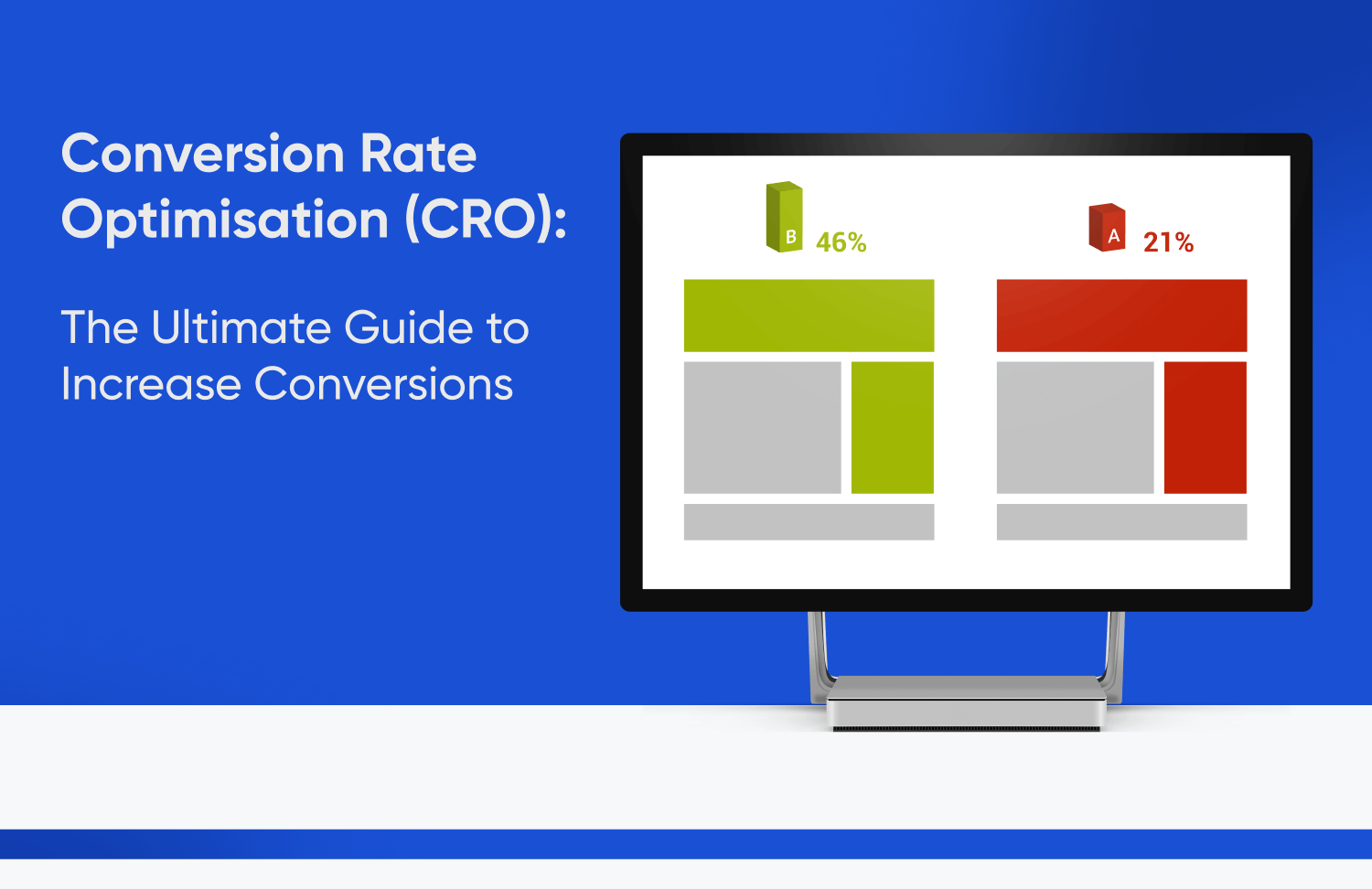
Driving High Performance With Advanced A/B Testing
This concept makes sure style solutions deal with real-world needs, not simply stakeholder choices. Throughout these examples, clear communication is non-negotiable. Dropbox and Duolingo succeed since their user interfaces decrease confusion through layout, language, and structure. When users understand what to do at a look, they engage faster and with greater confidence. Great UX counts on patterns users can rapidly acknowledge and trust.
No UX is ever genuinely completed. These UX case study examples aren't just suggested to be admired.
From state of mind to methodology, here's what stands out when you take a closer appearance: Every case research study reveals how excellent style fixes an issue. It's not about decoration or trends. Instead, it has to do with eliminating friction, assisting habits, and producing experiences that really work for users. Informative research is at the heart of each example, however so is empathy.
When you stabilize both, your style becomes more human and more reliable. Over-complication injures use. Products like Duolingo and Dropbox show that simplifying tasks, not simply user interfaces, is what drives long-lasting engagement. Clear objectives, tidy layouts, and focused user flows correspond across the board. Numerous of these brands run globally or across diverse devices.
Evaluating Paid Search and Organic SEO Tactics
That's a crucial takeaway: style systems need to grow with the item, not slow it down. Some of the most powerful changes revealed in these case studies were subtle.
These UX case study examples show how thoughtful research study, clear interaction, and user-centered thinking can change an item. Whether the objective is to build trust, streamline complexity, or scale across platforms, strong UX always begins with intent. At Oddit, we think in the power of clearness. Through our audits, we help brand names uncover missed opportunities, fine-tune their interfaces, and develop experiences that users actually delight in.
A UX case study example goes much deeper than just showing a completed design. It outlines the research study, choices, and impact behind a job, whereas a portfolio piece might focus more on visual highlights. Including user data reinforces a UX case study by supporting design decisions with proof. It's not constantly required, however it includes trustworthiness and clearness.
Even small jobs like redesigns or school assignments can be turned into engaging case research studies by clearly showing the analytical procedure. Popular tools include Idea, Behance, Medium, or your own website.
While not strictly needed, they significantly enhance the clarity of your story. Companies can find out how design effects metrics, user satisfaction, and brand name perception. An excellent case research study links design choices to real business worth.
Achieving High ROI With Modern A/B Testing
Reliable journey mapping includes specifying objectives, choosing focused user segments, selecting the right map type, and ...
The term "case study" research study a little boring, doesn't itDoes not What if, rather, it were called a "style story"? Approach your UX/UI design case studies like stories, not just a list of jobs you finished.
Managing Local PPC Campaigns
You'll find yourself preparing to speak with for your dream task in no time. Due dates change, predict objectives move, and new findings can fundamentally change style requirements.: When you organize your experience into a significant sequence of occasions, recruiters will understand the path you took to the last product.
Your case research study structure has 3 primary objectives: To and your solutions. To as you guide them through your style projects.
, plus a hook and conclusion. Prototyping and iterationOutcomes and lessons learnedEach section should consist of a mix of text and media (images, video, interactive components, etc).
What Makes Effective UX Projects?The phases of your style procedure act as an ideal structure for your case study. They're universal and relatable, so hectic hiring managers can immediately understand what they're reading. Your narrative can then stream through this structure as you established your story with exposition, introduce and resolve conflicts, and reach the climax.

Latest Posts
Ways to Evolve Your Brand Strategy for 2026
Effective Media Outreach Practices for Maximum Impact
How Digital Marketing Drives AI Search Rankings